
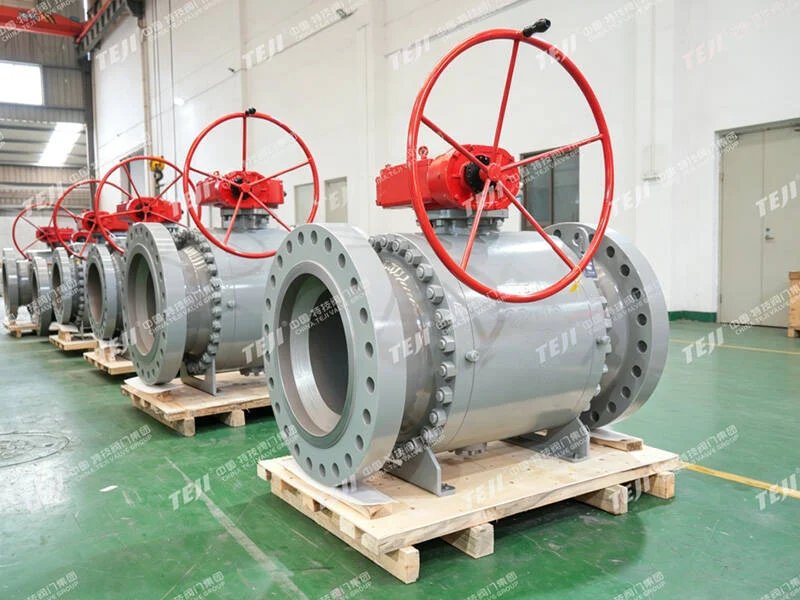
The A105 forged steel 600LB high-pressure large-diameter soft-seal ball valve, independently developed and manufactured by Teji Valve Group, has completed production testing and is officially shipped, contributing to the safe and stable operation of oil, gas, and chemical pipelines. 01 Teji Valve 600LB High-Pressure Soft-Seal Ball Valve Completes Production Testing Suitable for various harsh operating conditions […]
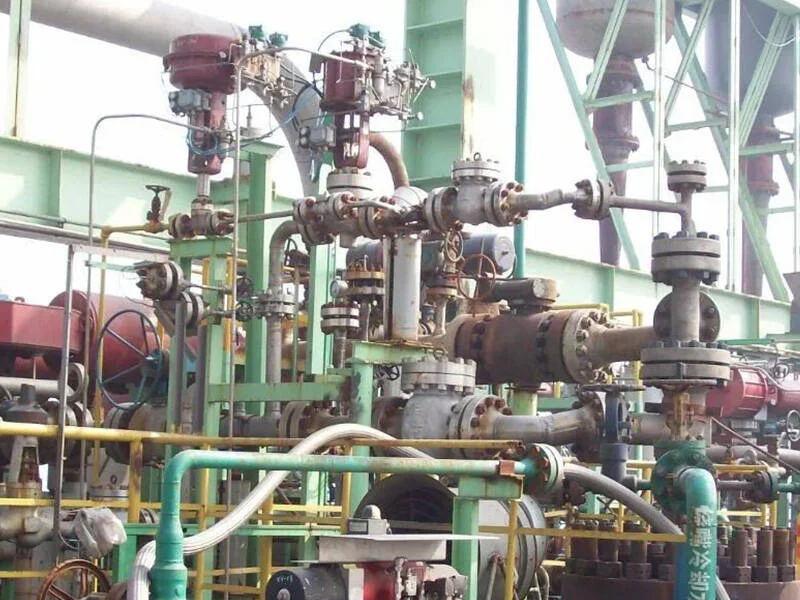
Valve Material Requirements Due to the presence of oil-coal slurry in the direct coal liquefaction reaction, the wear and tear on valves, pipelines, and other equipment materials caused by the coal slurry must be considered. Therefore, the materials used to manufacture valves must possess comprehensive performance that meets the usage requirements. Specifically, they should have: […]
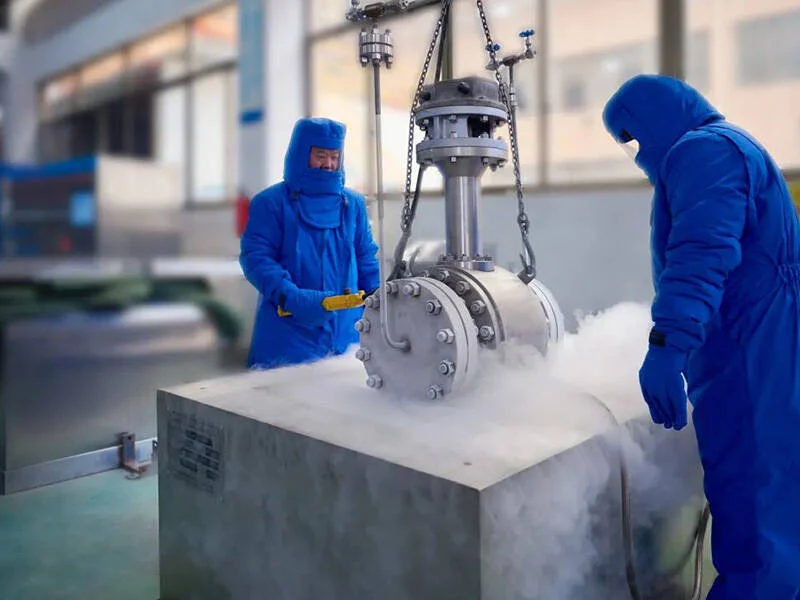
With increasing global awareness of environmental pollution in recent years, countries and the world are striving to develop clean energy to gradually replace polluting traditional energy sources, providing impetus for development. In particular, liquefied natural gas (LNG) and liquefied petroleum gas (LPG) are rapidly emerging as new energy sources worldwide. This has led to the […]
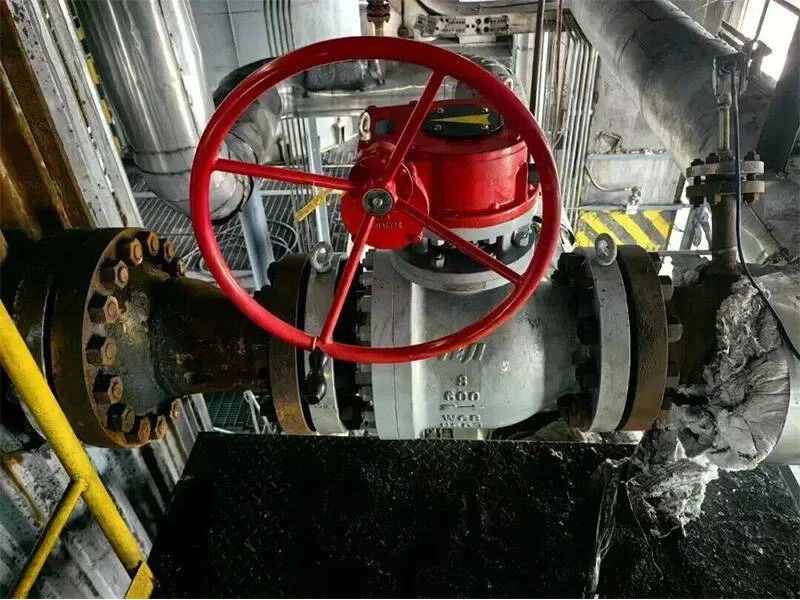
The high-performance compensated shear valve is a patented product specially developed for demanding working conditions. It has replaced traditional wear-resistant ball valves in the coal chemical and polysilicon industries, resolving issues such as sticking, seizure, and erosion during valve application. In the petrochemical field for heavy oil and residue oil, it has replaced imported trunnion […]
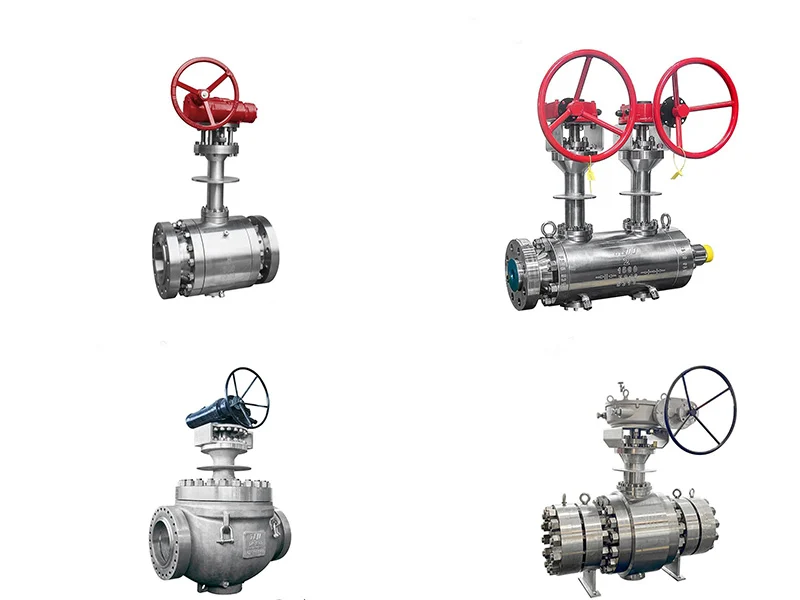
Cryogenic ball valves have a larger flow diameter than similar gate valves. These valves allow for faster opening and closing, making them suitable for applications requiring zero leakage, such as storage tanks, cryogenic pumps, pipelines, or low-pressure trailers. Cryogenic ball valves are widely used in hydraulic, gas, ethylene, and chemical equipment. With advancements in related technologies, […]
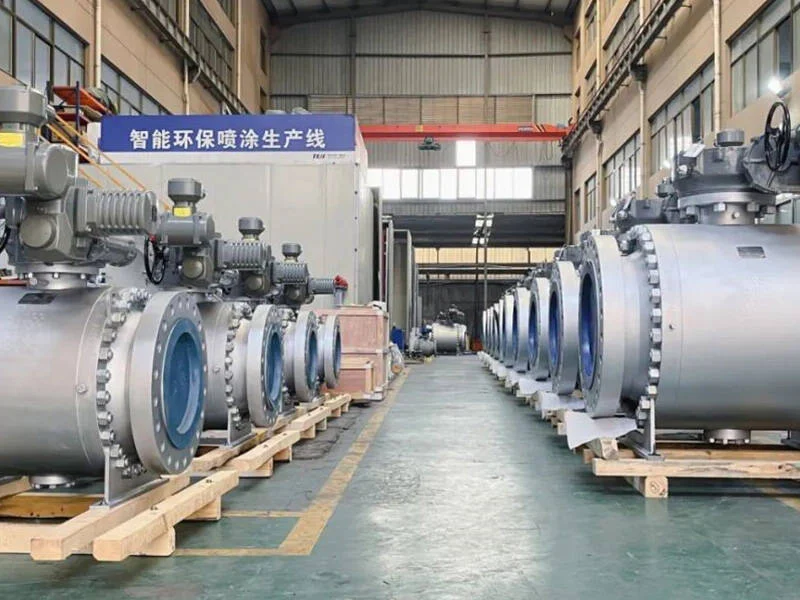
Overload of an electric valve refers to a situation where the torque demand encountered by the electric valve during operation exceeds its design capacity. This situation can be caused by various factors, such as low power supply voltage, improper torque limiting mechanism settings, and excessively high ambient temperature. Electric valves may encounter overload situations during […]


