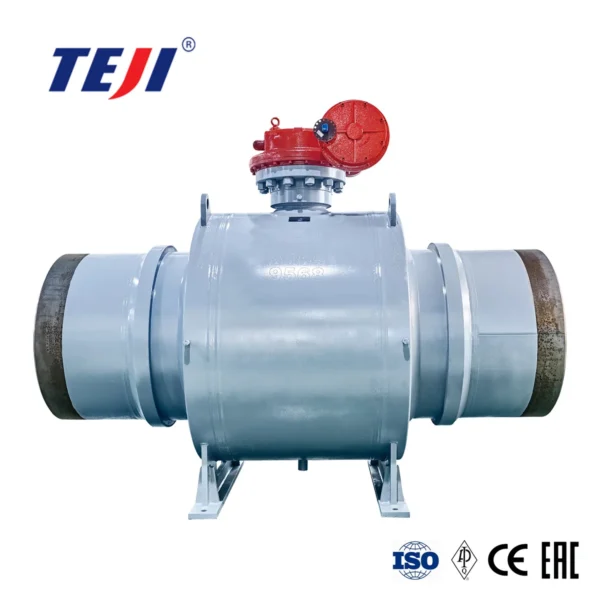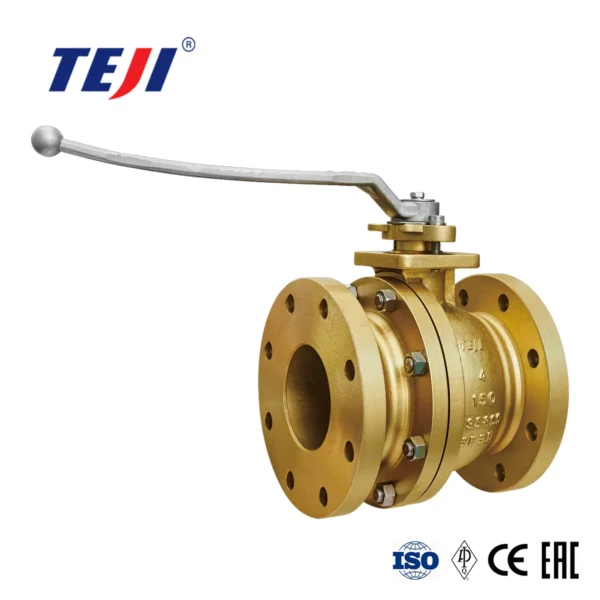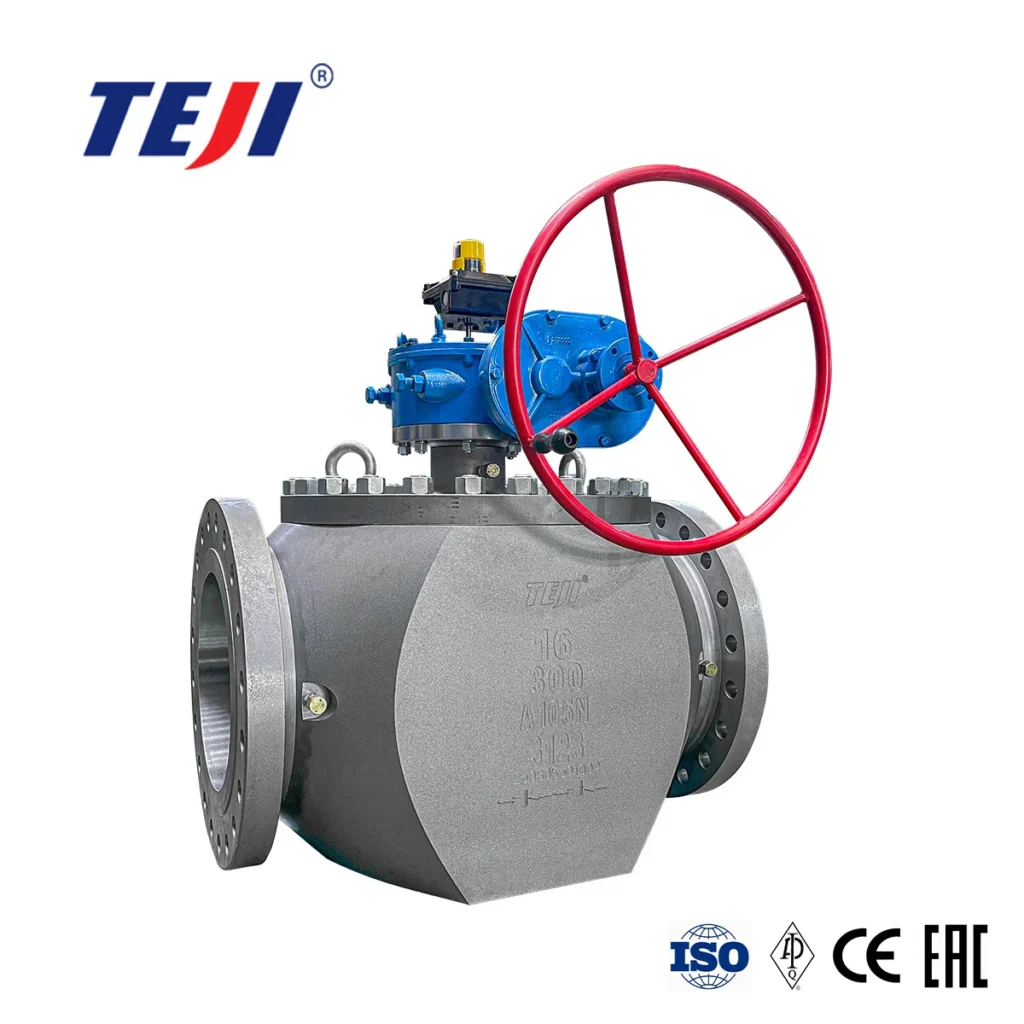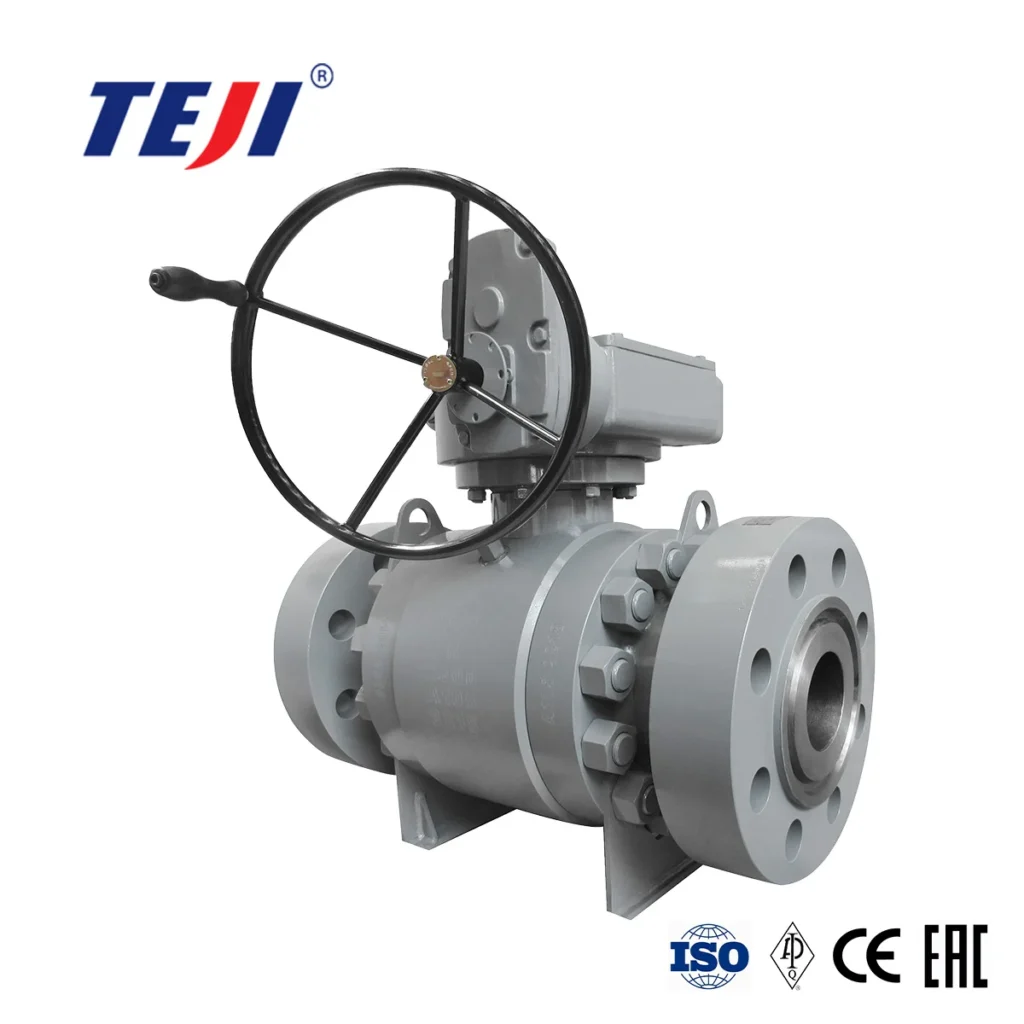
En comparación con las válvulas de bola de sello blando, las válvulas de bola de metal a metal TEJI tienen una temperatura de trabajo más amplia y un rango medio. Durante el funcionamiento, tiene las características de un rendimiento de sellado confiable y seguro, una larga vida útil, una operación fácil y una menor pérdida de presión. Se utiliza principalmente en servicios de alta temperatura.
Categorías: Ball Valves, Trunnion Ball Valve
DESCRIPTION:
En comparación con las válvulas de bola de sello blando, las válvulas de bola de metal a metal TEJI tienen una temperatura de trabajo más amplia y un rango medio. Durante el funcionamiento, tiene las características de un rendimiento de sellado confiable y seguro, una larga vida útil, una operación fácil y una menor pérdida de presión. Se utiliza principalmente en servicios de alta temperatura, alta presión, corrosión severa y servicios que contienen materiales sólidos, como la industria química del carbón, polisilicio y vitriolo/ácido nítrico.
Structure Features
DESIGN FEATURE:
Metal to metal seal design between ball and seats
Double block and bleed
Cavity pressure self relief
Blowout-proof stem
Seat designed with dust-proof and automatic cleaning function
Antic-static device
Product Parameter
PRODUCT RANGE:
Type: Trunnion mounted ball valve
Size: 2~24”(DN50~DN600)
Rating: 150~1500LB(PN16~250)
Temp. Range: ≤450℃
Body Material: Carbon Steel, Stainless Steel, Alloy Steel, Duplex Steel
Trim: Tungsten carbide, Stellite, Ni60
FAQ:
Q: Are you a Factory or Trading Company?
A: We are a factory specialized in manufacturing valves since 1980.
Q: What service you can offer?
A: a. Competitive quotation, fast offer.
b. ISO certificated manufacturing control
c. 18 Months products guarantee.
d. Teji/OEM brand offered.
e. Specialized design according to the customer’s requirements.
Q: How can you guarantee the quality of products?
A: To guarantee high quality, Teji Quality Center has variety of product examinations according to the customer’s needs:
1. Shell Pressure Testing
2. Seat Leakage Testing(Low pressure/High pressure)
3. Cryogenic testing
4. Cleaning testing
5. Anti-static testing
6. High-temperature testing
7. Mechanical Life Cycle Testing